


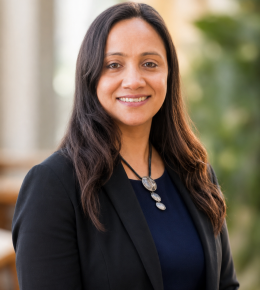
Dr. Meera Tandan is an accomplished public health scientist, epidemiologist, and educator with a PhD in Medicine (Public Health), a Master of Public Health, and a Bachelor of Public Health, supported by more than 15 years of international research and academic experience across the United States, Ireland, and Nepal. Her interdisciplinary work spans chronic kidney disease, cardiovascular-kidney-metabolic health, medication safety, antimicrobial resistance, infectious disease epidemiology, implementation science, health services research, and population health surveillance. She has published more than 30 peer-reviewed articles, including 25 as first author, in leading journals such as Eurosurveillance, Clinical Kidney Journal, BMJ Global Health, the Journal of the American Medical Directors Association, Computers in Biology and Medicine, and the International Journal of Medical Informatics. A distinctive feature of her work is the application of artificial intelligence, machine learning, and advanced statistical methods to complex clinical, surveillance, and real-world healthcare data. Her methodological expertise includes multilevel modelling, longitudinal analysis, predictive modelling, decision trees, association-rule mining, cluster analysis, and unsupervised machine learning, which she uses to identify high-risk populations, uncover disease and treatment patterns, support clinical decision-making, and strengthen population health surveillance. Her career has been supported by prestigious fellowships and awards, including the Centric Health Newman Fellowship in General Practice, a PhD Scholarship from the University of Galway, the European Renal Association Young Scientist Outstanding Abstract Award, the Royal Academy of Medicine in Ireland Research Award, and the Royal Society of Tropical Medicine and Hygiene Early Career Research Grant. Dr. Tandan is recognized for combining epidemiology, applied AI, machine learning, and population health analytics to transform complex data into actionable evidence that informs policy, improves healthcare quality, and advances public health globally.